Cellulite is a common skin concern that affects individuals regardless of age or body type, often appearing as dimpled or uneven skin on areas like the thighs, hips, and abdomen. While various approaches exist to address this condition, lifestyle factors play a significant role in overall outcomes. Among these, diet stands out as a key element that can influence results. Many people exploring cellulite treatment in dubai are now paying closer attention to how nutrition supports or limits visible improvements. Clinics such as Dynamic Life Clinic often highlight the importance of combining professional treatments with balanced dietary habits to enhance long-term skin health.
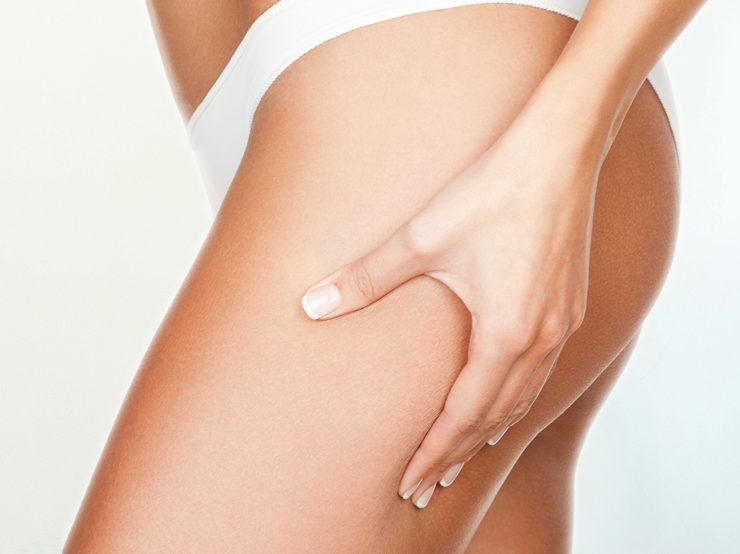
Cellulite forms when fat deposits push through connective tissue beneath the skin, creating a textured appearance. Diet does not directly “remove” cellulite, but it affects the underlying factors that contribute to its visibility, including fat storage, circulation, inflammation, and skin elasticity. Nutritional choices can either support smoother skin or make cellulite more noticeable over time.
Certain eating patterns may increase the likelihood of stubborn cellulite or reduce the effectiveness of treatments. These include:
These factors can weaken connective tissues and promote fluid retention, making the skin appear uneven.
A well-balanced diet plays a supportive role in enhancing treatment outcomes. Key nutrients help maintain skin structure and improve overall appearance:
Including these nutrients regularly can complement professional cellulite treatment approaches.
Water intake is often underestimated when discussing skin health. Proper hydration helps flush out toxins and supports better blood circulation, which can reduce the prominence of cellulite. Dehydrated skin tends to look thinner and less elastic, making dimpling more visible.
Daily hydration supports:
This creates a more even skin surface over time.
Diet influences body fat levels, which can directly affect how cellulite appears. While cellulite is not exclusive to overweight individuals, higher fat accumulation can make it more pronounced. Maintaining a stable and healthy weight through balanced eating helps prevent sudden changes that may stretch or weaken connective tissues.
Rather than restrictive dieting, sustainable nutrition habits are more effective in supporting long-term results from cellulite treatment.
Chronic inflammation can weaken skin structure and worsen cellulite visibility. Diets high in refined carbohydrates and unhealthy fats contribute to this issue. Adopting an anti-inflammatory diet can support smoother skin by improving tissue strength and reducing swelling.
Foods that help reduce inflammation include:
These choices support both internal health and external skin appearance.
Professional cellulite treatments target fat layers, connective tissues, or skin tightening. However, without supportive lifestyle habits, results may be less noticeable or shorter-lasting. Diet enhances these outcomes by:
Combining treatments with proper nutrition creates a more comprehensive approach.
To maximize results, certain foods should be minimized:
These can contribute to dehydration, inflammation, and fat accumulation, all of which may counteract treatment benefits.
A practical dietary routine doesn’t require extreme changes but focuses on consistency and balance. Key habits include:
This approach supports both general health and visible skin improvements.
Diet works best when combined with other healthy habits. Regular physical activity improves circulation and helps manage body fat, while good sleep supports skin repair. Together, these factors create an environment where cellulite treatments can perform more effectively.
Consistency across these areas is more impactful than relying on a single solution.
Diet plays a crucial supporting role in how effective cellulite treatments can be, influencing everything from skin elasticity to fat distribution and inflammation levels. While professional procedures address the structural aspects of cellulite, nutrition helps maintain and enhance those results over time. By focusing on balanced eating, proper hydration, and nutrient-rich foods, individuals can improve the overall appearance of their skin and support long-term outcomes in a sustainable way.