Rhinoplasty recovery is one of the most common concerns for people considering nose reshaping, especially when planning a procedure in a specialized destination. Rhinoplasty Dubai has become a popular search term for individuals looking for reliable information about the healing process, discomfort levels, and aftercare expectations. Clinics such as Dynamic Clinic in Dubai focus on providing patient-centered guidance so individuals can better understand what recovery involves before making decisions. While every person experiences healing differently, most patients describe rhinoplasty recovery as manageable rather than extremely painful.
The level of discomfort after rhinoplasty is usually influenced by the type of procedure performed, individual healing response, and how closely aftercare instructions are followed. Rhinoplasty involves changes to the nasal structure, so some soreness, pressure, and swelling are expected during the early recovery period.
Many patients report that the sensation feels more like congestion, tightness, or facial pressure rather than severe pain. The first few days are generally when discomfort is most noticeable, especially while swelling begins to develop and the nose starts the healing process.
Common early recovery sensations may include:
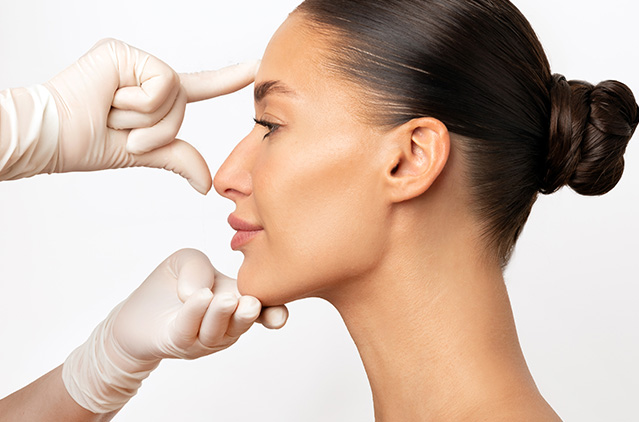
The first week is an important stage of recovery because the body begins repairing tissues and adjusting to structural changes. Patients often experience swelling and bruising around the nose and under the eyes, which can make the face feel sensitive.
During this period, discomfort is usually controlled with prescribed medications and proper care practices. Resting with the head elevated, avoiding unnecessary pressure on the nose, and following medical instructions can help support smoother healing.
Many people return to light daily activities after the initial recovery phase, although the nose may still feel different as swelling gradually reduces.
A common misconception is that rhinoplasty recovery involves intense pain. In reality, most patients find the experience more uncomfortable than painful. The feeling of blockage from internal swelling often becomes the main challenge rather than sharp pain.
Because the nose plays an important role in breathing, temporary congestion can feel frustrating. This usually improves as inflammation decreases and the nasal passages recover.
The recovery experience can vary depending on factors such as:
Rhinoplasty recovery happens in stages, and discomfort typically decreases over time. The most noticeable soreness often improves within the first several days, while swelling continues to gradually settle.
A general recovery timeline may include:
The healing timeline depends on the complexity of the procedure and individual factors, so recovery expectations should always be discussed with a qualified medical professional.
Good preparation and consistent aftercare can make the recovery period easier. Patients can support healing by following recommended lifestyle adjustments during the early weeks.
Helpful recovery practices include:
Small daily habits can play an important role in protecting healing tissues and reducing unnecessary irritation.
Not everyone experiences rhinoplasty recovery in the same way. Some individuals feel minimal discomfort, while others may need more time to adjust during the first stages of healing.
Several factors can influence the experience, including:
A proper consultation helps patients understand what their own recovery journey may look like based on their specific goals and nasal structure.
Although some swelling and discomfort are normal, unusual symptoms should not be ignored. Patients should stay in contact with their healthcare provider if they notice concerns during the healing process.
Signs that may require professional attention can include:
Regular follow-up appointments help monitor healing and address any concerns during different recovery stages.
Many patients are eager to know when they can resume work, exercise, and social activities. Recovery timing depends on the procedure and how quickly swelling improves.
Light activities are usually introduced earlier, while intense exercise and situations involving potential nasal injury may need to be avoided for a longer period. Patience during healing allows the nose to maintain its new shape and reduces the risk of complications.
Rhinoplasty recovery is generally considered a manageable process, with most discomfort coming from swelling, pressure, and temporary congestion rather than severe pain. Understanding what happens during each stage of healing helps patients prepare mentally and physically for the recovery period. With proper aftercare, realistic expectations, and professional guidance, many individuals are able to move through recovery comfortably while allowing the nose to heal properly.