Juvederm is a popular dermal filler option for restoring facial volume and enhancing features, but some people wonder what causes Juvederm to migrate later after an initially successful treatment.
Juvederm Filler in Dubai is chosen by many individuals seeking natural-looking facial improvements, and clinics such as Dynamic Clinic in Dubai focus on helping patients understand filler placement, aftercare, and long-term results. Migration can occur when the filler moves away from the intended treatment area, creating changes in shape or unevenness that may become noticeable over time.
Juvederm migration refers to the movement of filler material from its original injection area into nearby tissues. Although modern fillers are designed to integrate with the skin and provide controlled volume, several factors can influence how the product behaves after placement.
Migration does not always mean a treatment was performed incorrectly. Facial movement, anatomy, injection depth, product selection, and individual healing responses can all affect how filler settles. Some areas of the face are more prone to movement because they experience frequent muscle activity, pressure, or natural changes over time.
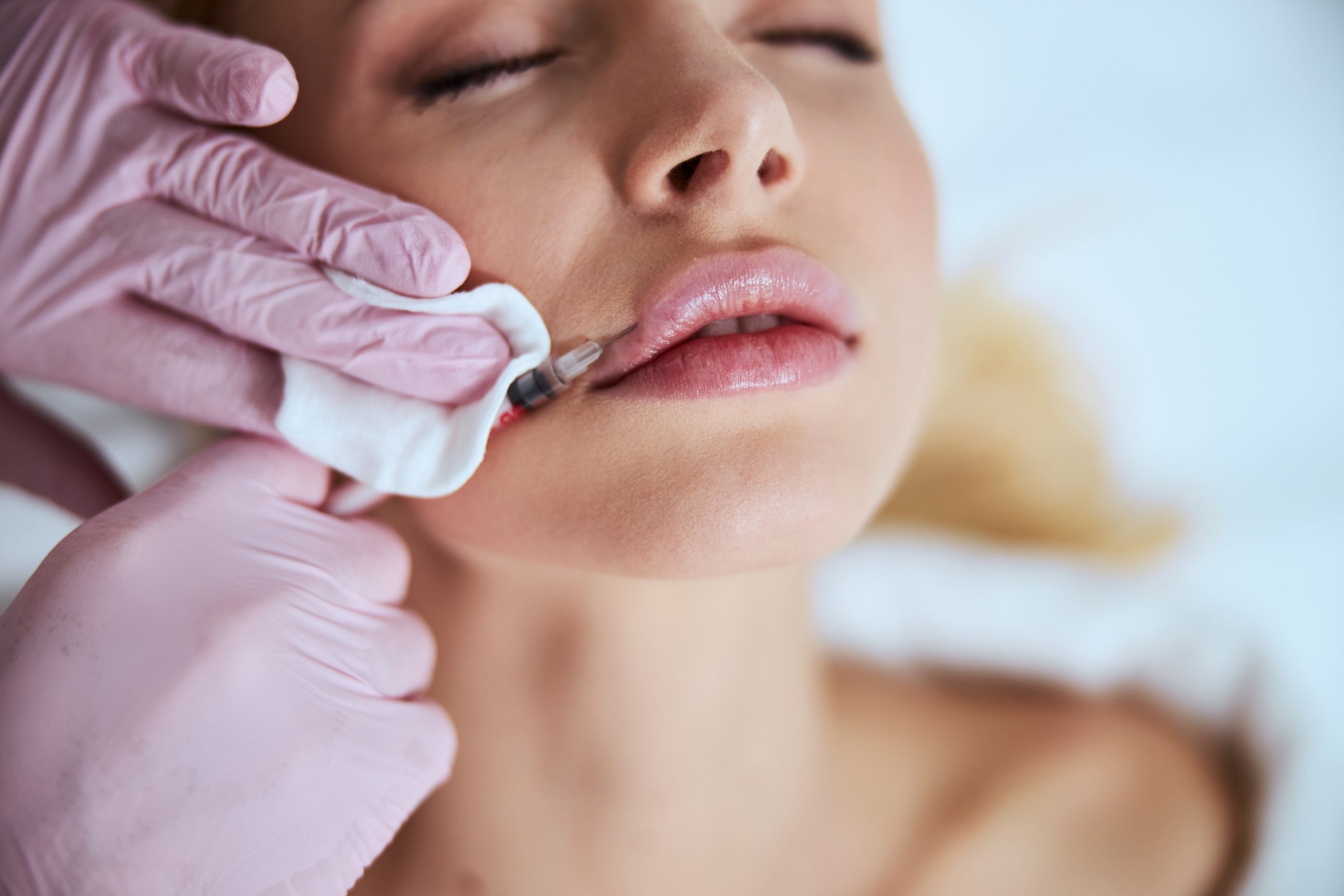
One of the main factors linked to filler migration is placement that does not match the anatomy of the treatment area. Injecting too much filler, placing it at the wrong depth, or adding product too close together can create pressure that encourages movement.
A skilled approach considers:
Proper assessment before treatment helps support balanced and predictable outcomes.
Overfilling is another possible reason why Juvederm may appear to migrate. When more filler is placed than the tissue can naturally support, the product may spread beyond the intended area.
This is often discussed with areas like the lips, under-eyes, and cheeks because these regions have delicate structures. Excess volume can create a heavy appearance or cause filler to shift into surrounding areas, affecting the natural facial balance.
The face contains many muscles that constantly move during speaking, smiling, eating, and expressing emotions. Over time, repeated muscle activity can influence how filler sits within the tissues.
Areas with frequent movement may have a higher chance of noticeable changes because:
This does not mean movement will always happen, but it explains why long-term filler results can vary between individuals.
Aging affects the skin, fat compartments, and supporting tissues. As the face changes, previously placed filler may appear different even if it has not significantly moved.
Loss of collagen, changes in facial volume, and shifting skin elasticity can make filler look uneven or more prominent in certain areas. What appears to be migration may sometimes be a result of natural facial transformation rather than actual filler displacement.
The period immediately after filler treatment is important because the product is still settling into the tissue. Certain activities may increase the chance of unwanted pressure on the treated area.
General aftercare considerations may include:
Individual aftercare instructions may differ depending on the treatment area and personal circumstances.
Some facial areas receive more attention when discussing filler movement because they have thinner skin or complex anatomy.
Lip filler migration can occur when filler extends beyond the natural lip border, sometimes creating a swollen or blurred outline. Repeated treatments without enough time between sessions may increase the chance of unwanted buildup.
The under-eye region has thin skin and requires careful product placement. If filler is placed incorrectly or remains visible beneath the skin, it may create puffiness or an uneven appearance.
Cheek filler is designed to restore volume and improve facial contours. However, excessive product or changes in facial structure over time can affect how the results appear.
Choosing a suitable treatment approach is an important part of maintaining natural-looking results. Before receiving filler, a qualified professional typically evaluates facial anatomy, skin condition, and the desired outcome.
Ways that may help reduce risks include:
A personalized approach helps ensure that filler supports the natural structure of the face rather than changing its proportions.
If migration is suspected, evaluation is usually the first step. A professional assessment can help determine whether the concern is actual filler movement, swelling, aging-related changes, or another factor.
Depending on the situation, possible management options may include monitoring the area, adjusting future treatments, or discussing ways to address unwanted filler effects. The appropriate solution depends on the amount of filler present, location, and individual goals.
Long-term satisfaction with Juvederm depends on more than the injection itself. Facial harmony, appropriate product selection, and understanding how fillers interact with the body all contribute to achieving balanced results.
Patients in Dubai often seek treatments that enhance their features while keeping expressions natural. Understanding possible causes of migration allows individuals to make informed decisions and communicate clearly about their aesthetic goals.
Juvederm migration can happen due to factors such as overfilling, injection technique, facial movement, aging changes, and individual tissue responses. While filler treatments are designed to provide controlled improvements, the face continues to change over time, which can influence how results appear. Careful planning, appropriate placement, and professional guidance are key factors in maintaining natural and balanced outcomes.