Recovering from rhinoplasty is an important stage that shapes the final outcome of the procedure. Patients often want to understand how healing progresses, what changes to expect, and how daily routines may be affected during recovery. In many cosmetic clinics across Dubai, proper aftercare guidance plays a major role in achieving smoother healing and balanced facial results.
For individuals researching nasal reshaping procedures, dubai rhinoplasty treatments are widely known for combining advanced surgical techniques with personalized recovery plans. Dynamic Life Clinic is one of the aesthetic centers that provides supportive post-treatment care designed to help patients heal comfortably while maintaining natural-looking results.
The first few days after rhinoplasty are usually focused on rest and swelling management. Most patients experience mild bruising around the eyes, nasal congestion, and facial puffiness. These reactions are considered a normal part of the healing process because the nasal tissues need time to settle after surgical adjustments.
A protective splint is commonly placed over the nose to help maintain the new shape during the early healing stage. Internal packing may also be used in some cases depending on the complexity of the procedure. Patients are generally advised to sleep with the head elevated to reduce swelling and improve comfort.
During this phase, it is common to notice:
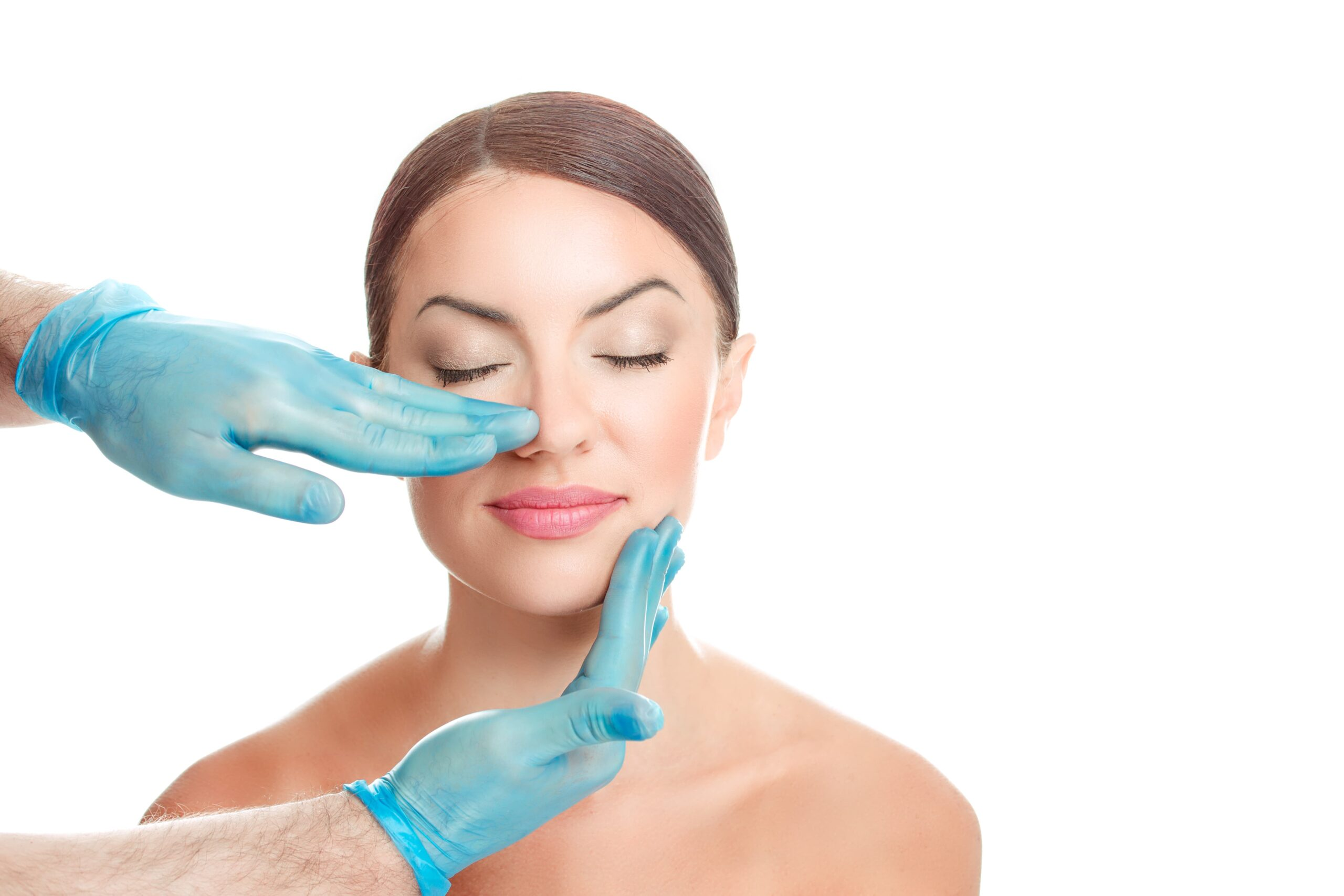
Swelling improves gradually rather than disappearing all at once. The majority of visible swelling often decreases within the first few weeks, but subtle swelling inside the nose can continue for several months. The nasal tip typically takes longer to refine because the skin in that area is thicker and more delicate.
Patients undergoing dubai rhinoplasty procedures are usually informed that recovery is a slow and progressive process. While the nose begins to look more natural early on, final definition develops over time as the tissues settle into their new contours.
Several factors influence swelling duration, including:
Carefully following recovery instructions helps minimize complications and supports better healing. Surgeons typically provide detailed guidance tailored to the patient’s specific procedure and anatomy.
Common aftercare recommendations include:
Patients are also encouraged to attend all follow-up appointments so healing progress can be monitored properly. These visits allow the surgical team to evaluate swelling, remove splints if necessary, and address any concerns during recovery.
Bruising around the eyes and cheeks is one of the most common concerns after rhinoplasty. The discoloration usually peaks during the first few days before fading gradually. Cold compresses are often recommended to help reduce bruising and soothe surrounding tissues.
Pain after rhinoplasty is generally manageable and often described as pressure rather than severe pain. Many patients report that congestion and swelling feel more uncomfortable than the procedure itself. Medication prescribed after surgery is typically enough to control temporary discomfort.
Hydration and nutrition also contribute to the healing process. Soft foods may feel easier to eat during the first few days because facial movement can create temporary sensitivity around the nose and upper lip area.
Recovery timelines vary from person to person, but many patients return to desk-based work or light daily activities within one to two weeks. Social recovery depends largely on how quickly bruising and swelling fade.
Physical activity restrictions are important because increased blood pressure can worsen swelling or trigger bleeding. Most surgeons recommend avoiding intense workouts, heavy lifting, and contact sports during the early healing period.
Activities that may need temporary adjustment include:
Patients considering dubai rhinoplasty procedures often appreciate receiving detailed recovery guidance because lifestyle adjustments can affect healing quality.
The emotional side of rhinoplasty recovery is sometimes overlooked. Swelling and temporary asymmetry can make patients feel uncertain about their results during the early weeks. It is important to understand that the nose changes gradually as healing progresses.
Patience plays a significant role throughout recovery because the nose may look different from week to week. Emotional fluctuations are normal while waiting for the final shape to emerge.
Patients who maintain realistic expectations and follow professional guidance often feel more comfortable navigating the healing process.
Healing after rhinoplasty should progress steadily over time. Most patients notice improvements in swelling, comfort, and nasal appearance as the weeks pass.
Positive signs during recovery may include:
While mild swelling can persist for several months, noticeable improvements typically become clearer as healing advances.
Every rhinoplasty recovery experience is unique. Certain habits and health factors can influence how quickly the nose heals and how refined the results become over time.
Factors that may impact recovery include:
Protecting the nose from accidental impact is especially important because the nasal bones and cartilage remain delicate during the healing phase.
The recovery process after rhinoplasty involves several stages that gradually reveal the final outcome of the procedure. Swelling reduction, tissue healing, and facial adjustment all take time, making patience an essential part of the experience. From the first week of rest to the gradual refinement seen over the following months, proper aftercare and realistic expectations contribute significantly to successful healing.
For individuals exploring dubai rhinoplasty options, understanding the recovery journey helps create a more informed and confident approach to treatment. A structured healing plan, professional follow-up care, and healthy recovery habits all support smoother results and long-term satisfaction.