Understanding cosmetic procedures often begins with learning their proper medical names, and a tummy tuck is no exception. The medical term for a tummy tuck is abdominoplasty, a surgical procedure designed to reshape and firm the abdominal area. In modern aesthetic discussions, especially in global hubs, the phrase Dubai tummy tuck frequently appears in patient searches and educational resources. Many individuals exploring advanced body contouring options come across reputable providers like Dynamic Life Clinic while researching this procedure.
Abdominoplasty is a surgical technique focused on improving the appearance and structure of the abdomen by removing excess skin and tightening underlying muscles. It is commonly recommended for individuals experiencing loose skin or weakened abdominal walls due to factors such as weight fluctuations or pregnancy.
Unlike non-invasive treatments, abdominoplasty directly addresses both skin laxity and muscle separation. The procedure is clinically recognized and widely practiced within the field of plastic and reconstructive surgery, making it a standard term used in medical literature and consultations.
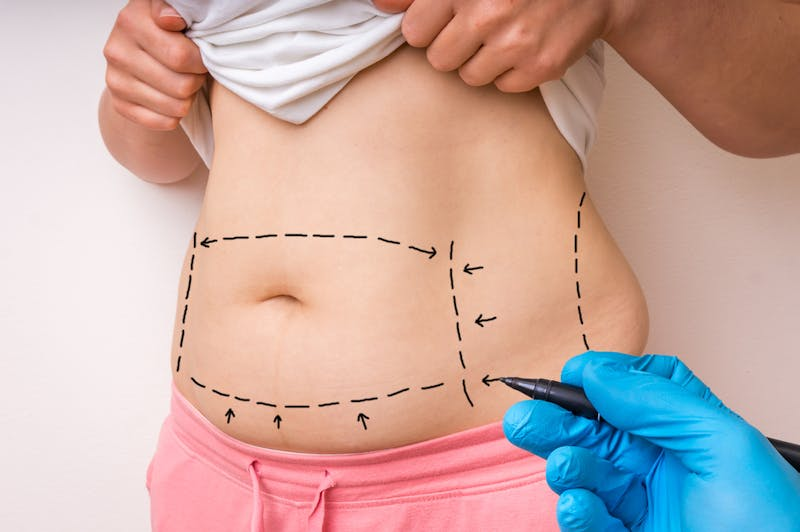
The use of the term abdominoplasty goes beyond simple terminology. It reflects the medical precision and scope of the procedure. While “tummy tuck” is a more casual phrase, abdominoplasty is the term used in:
This distinction helps patients better understand the seriousness and clinical foundation of the procedure.
Abdominoplasty involves several structured steps that contribute to its effectiveness. Each component targets a specific concern within the abdominal region.
Excess skin is carefully removed to create a smoother and firmer appearance. This is particularly beneficial for individuals with sagging skin that does not respond to exercise.
The abdominal muscles are repaired and tightened, especially in cases of separation (commonly known as diastasis recti). This improves core stability and contour.
In some cases, localized fat may be reduced or repositioned to enhance the overall shape of the abdomen.
The belly button may be adjusted to align naturally with the newly contoured abdomen.
Abdominoplasty is not a one-size-fits-all procedure. Different variations exist depending on the patient’s needs and anatomical considerations.
This approach addresses the entire abdominal area, including skin removal, muscle repair, and contouring.
Focused on the lower abdomen, this technique involves less extensive correction and is suitable for mild skin laxity.
This version targets not only the abdomen but also the flanks, offering a more comprehensive body contouring result.
Candidacy for abdominoplasty depends on several medical and aesthetic factors. A thorough evaluation ensures that the procedure aligns with the patient’s goals and health status.
Common considerations include:
A personalized assessment is essential to determine the most appropriate approach.
Abdominoplasty has evolved significantly with advancements in surgical techniques and patient care standards. It is now considered a cornerstone procedure in body contouring, often integrated into comprehensive treatment plans.
In regions like Dubai, where aesthetic awareness is high, the demand for procedures such as the Dubai tummy tuck reflects a growing interest in medically guided transformation. Patients are increasingly informed and seek procedures that combine safety, precision, and natural-looking results.
Recovery from abdominoplasty involves a structured healing process that supports optimal outcomes. Patients typically experience gradual improvement as the body adjusts and heals.
Key aspects of recovery include:
Following post-procedure guidelines plays a crucial role in achieving the desired results.
Abdominoplasty offers both aesthetic and functional benefits, making it a valuable option for suitable candidates.
These outcomes contribute to a more balanced and refined physical appearance.
It is important to distinguish abdominoplasty from other body contouring treatments. While procedures like liposuction focus primarily on fat removal, abdominoplasty addresses multiple layers of the abdominal structure.
Key differences include:
Understanding these differences helps patients make informed decisions about their treatment options.
The medical term for a tummy tuck is abdominoplasty, a clinically recognized procedure designed to reshape and strengthen the abdominal area. Its structured approach, combining skin removal and muscle repair, sets it apart within the field of aesthetic surgery. As interest in procedures like the Dubai tummy tuck continues to grow, understanding the medical foundation behind the terminology allows patients to approach their choices with clarity and confidence.