Healthy and even-toned skin is a common aesthetic goal for many people living in the UAE’s sunny climate. Modern cosmetic procedures now focus on improving skin clarity, reducing pigmentation, and supporting long-term skin health through advanced dermatological methods.
Many individuals searching for effective solutions often explore dubai skin whitening treatment options to address uneven skin tone, sun damage, melasma, and post-inflammatory pigmentation. Dynamic Life Clinic is one of the facilities in Dubai where people seek personalized aesthetic skin procedures designed for different skin concerns.
Skin whitening treatment involves several biological and dermatological pathways that influence melanin production, skin renewal, hydration balance, and cellular repair mechanisms.
Melanin is the natural pigment responsible for skin, hair, and eye color. It is produced by melanocyte cells found in the outer layer of the skin. The amount and distribution of melanin determine how light or dark the skin appears.
Skin whitening treatments mainly focus on controlling excess melanin production caused by factors such as:
Most advanced treatments aim to create a balanced complexion rather than dramatically changing natural skin color.
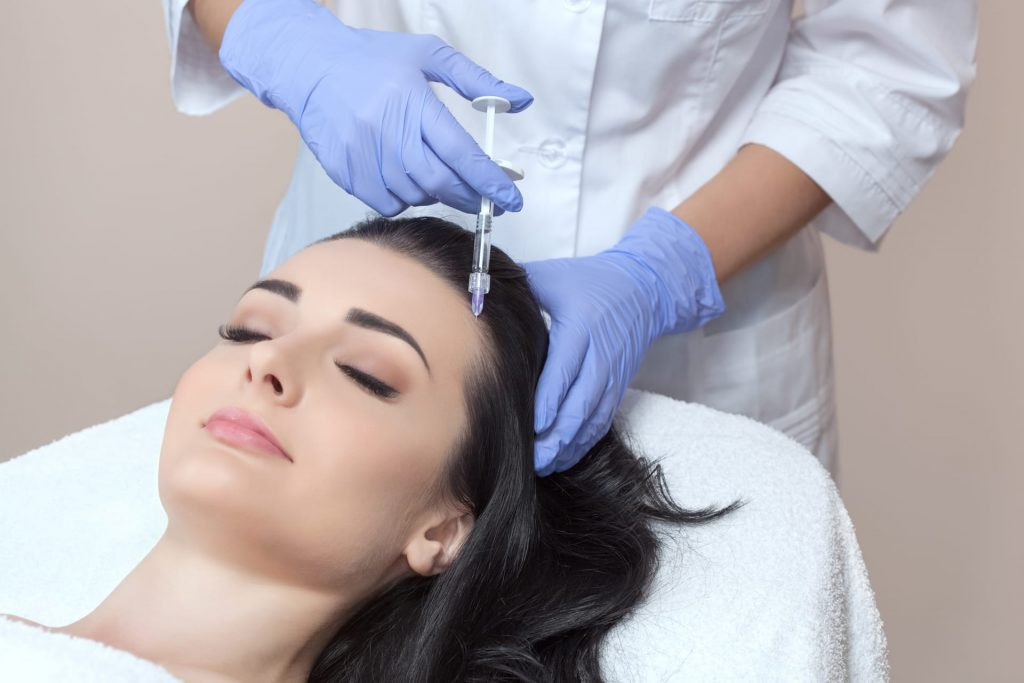
One of the most important pathways involved in skin whitening treatment is tyrosinase inhibition. Tyrosinase is an enzyme that plays a major role in melanin synthesis. When this enzyme becomes overactive, dark patches and uneven pigmentation may appear.
Many whitening procedures and topical formulations target this pathway by reducing enzyme activity. Ingredients commonly associated with this process include:
By slowing melanin formation, the skin gradually appears brighter and more even in tone.
Another essential pathway involves accelerated skin cell turnover. Dead skin cells often trap pigment on the surface, making the complexion look dull or patchy.
Treatments that encourage exfoliation and regeneration help remove pigmented cells and reveal fresher skin underneath. These procedures may include:
Skin renewal pathways stimulate the production of healthier skin cells while improving texture and brightness.
Oxidative stress caused by UV rays and pollution can increase pigmentation and damage skin cells. Antioxidant pathways help protect the skin from free radical activity that contributes to discoloration.
Glutathione-based therapies are widely discussed because glutathione acts as a powerful antioxidant inside the body. It supports detoxification processes and may influence melanin production by shifting pigment formation toward lighter pheomelanin instead of darker eumelanin.
Vitamin-rich skincare and antioxidant-supported treatments also contribute to:
This pathway is commonly included in comprehensive whitening programs for long-term skin maintenance.
Laser technologies work through highly targeted pigmentation pathways. Specific wavelengths of light are absorbed by excess melanin deposits in the skin. The pigment particles then break down naturally and are gradually cleared by the body.
Different laser systems are selected based on skin type and pigmentation depth. Common concerns treated with these technologies include:
In Dubai, laser-based skin whitening approaches are popular because they can be customized for varying skin tones while addressing sun-related pigmentation concerns linked to the region’s climate.
Inflammation often triggers excess melanin production, especially after acne, eczema, or skin irritation. This is known as post-inflammatory hyperpigmentation.
Some whitening treatments focus on calming inflammatory pathways to prevent pigmentation from worsening. Dermatological solutions may include soothing agents and barrier-repair ingredients that help reduce redness and irritation while supporting recovery.
This pathway is especially important for sensitive skin because aggressive treatments may increase inflammation instead of improving skin tone.
Hydrated skin naturally appears brighter and healthier. Skin whitening treatments increasingly include hydration-focused pathways because a damaged skin barrier can lead to dullness, uneven texture, and sensitivity.
Treatments designed to strengthen the skin barrier may involve:
Balanced hydration improves light reflection on the skin surface, creating a more radiant appearance without excessive irritation.
Some pigmentation issues are linked to internal pathways associated with hormones and metabolism. Conditions such as melasma are often influenced by hormonal fluctuations.
Because of this, skin whitening treatments sometimes involve a broader skincare strategy that includes:
Managing internal triggers helps maintain results and reduce the recurrence of pigmentation.
UV exposure activates melanin production almost immediately. Without proper sun protection, whitening treatments may deliver inconsistent results.
Daily sunscreen application supports every skin brightening pathway by helping prevent further pigmentation. Dermatology professionals often recommend broad-spectrum SPF products suitable for Dubai’s intense climate conditions.
Sun protection also helps reduce:
Consistent protection allows skin treatments to work more effectively over time.
Not every pigmentation issue responds to the same method. Dermatologists and aesthetic professionals usually evaluate:
Customized treatment pathways help reduce complications while improving overall skin quality. Combination therapies are often used because pigmentation can involve multiple biological mechanisms at the same time.
A treatment plan may include both in-clinic procedures and home skincare to support gradual and natural-looking improvement.
Skin whitening treatment involves several interconnected pathways that influence melanin production, cellular renewal, antioxidant defense, hydration balance, and inflammation control. Modern aesthetic treatments focus on achieving clearer, healthier, and more even-toned skin through scientifically supported dermatological methods. With personalized care, proper sun protection, and targeted skin therapies, individuals in Dubai can address pigmentation concerns while maintaining long-term skin health and skin barrier integrity.