Understanding what role anatomy plays in cellulite treatment price helps explain why outcomes and treatment planning vary from person to person. In aesthetic medicine, structural differences beneath the skin influence how cellulite forms and how it responds to different approaches. Many people researching options also come across terms like cellulite treatment cost in dubai, which is often shaped by these underlying anatomical factors rather than a one-size-fits-all model. Clinics such as Dynamic Life Clinic highlight how body composition and skin architecture guide treatment customization, especially in a diverse population like Dubai.
Cellulite develops due to the interaction between fat layers, connective tissue, and skin thickness. Beneath the surface, fibrous septae connect the skin to deeper structures, creating tension that leads to the dimpled appearance.
Key anatomical components involved include:
Each of these elements varies between individuals, which is why cellulite does not appear the same across different body types or even different areas of the same body.
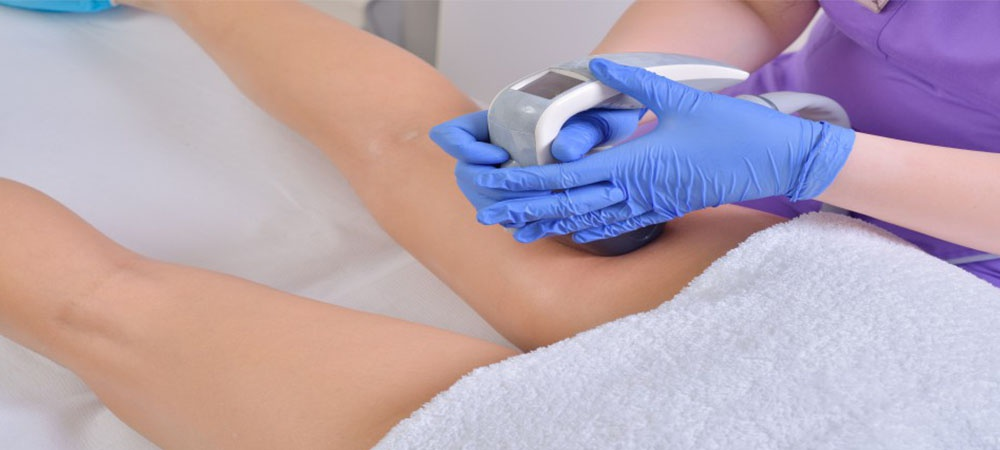
The thickness of the subcutaneous fat layer plays a significant role in determining the approach used for cellulite reduction. Individuals with thicker fat deposits may require methods that penetrate deeper layers, while those with thinner fat layers often benefit from surface-level techniques.
Differences in fat distribution affect:
In regions like the thighs or buttocks, where fat tends to accumulate more densely, treatment strategies are adapted to target deeper structural concerns rather than just surface smoothing.
Fibrous septae are connective bands that tether the skin to underlying tissues. When these bands become rigid or unevenly distributed, they pull the skin downward, creating the puckered look associated with cellulite.
Anatomical variation in septae structure determines:
Some individuals have tighter or more fibrous septae, which require targeted approaches designed to release or soften these bands for smoother skin appearance.
Skin quality is another anatomical factor that directly impacts cellulite visibility. Thinner skin tends to reveal underlying irregularities more easily, while thicker, more elastic skin can mask them.
Important considerations include:
In Dubai’s climate, environmental exposure can also influence skin condition, making personalized assessment essential when planning any cellulite-focused procedure.
Hormones play a subtle yet important role in shaping anatomy related to cellulite. Estrogen, in particular, affects fat storage patterns and connective tissue structure.
Hormonal impact includes:
These variations explain why cellulite is more common in women and why its appearance may change over time.
Muscle tone beneath the fat layer contributes to overall skin appearance. Well-developed muscles can provide a smoother foundation, while lower muscle tone may make cellulite more noticeable.
Anatomical differences in muscle structure influence:
Individuals with stronger underlying musculature often experience more uniform results when addressing cellulite concerns.
Healthy blood flow and lymphatic drainage are essential for maintaining tissue quality. Poor circulation can lead to fluid retention and toxin buildup, which may worsen the appearance of cellulite.
Key anatomical considerations include:
In some cases, improving circulation becomes part of the overall strategy to enhance skin texture and reduce visible dimpling.
Cellulite behaves differently depending on the body area due to variations in fat distribution, skin thickness, and connective tissue structure.
Common treatment areas include:
Each region requires a tailored approach that considers its unique anatomical characteristics rather than applying a uniform method.
Dubai’s population is highly diverse, with individuals from various ethnic backgrounds, each with distinct anatomical traits. This diversity makes personalized evaluation even more important.
Factors influencing treatment customization in Dubai include:
A thorough anatomical assessment ensures that the chosen approach aligns with individual needs rather than generalized expectations.
Understanding anatomy helps set realistic expectations for cellulite improvement. Since structural differences cannot be completely altered, treatments focus on enhancing skin appearance rather than eliminating cellulite entirely.
Anatomy determines:
Clear communication about these factors supports informed decision-making and better satisfaction with results.
Anatomy plays a central role in shaping how cellulite develops and how it responds to treatment. From fat distribution and connective tissue structure to skin quality and circulation, each element contributes to the overall appearance of the skin. Recognizing these differences allows for more precise and effective treatment planning, especially in a diverse setting like Dubai.